Finding a gift that genuinely delights a father can feel like searching for the perfect needle in an impossibly large haystack. We want something thoughtful, memorable, unique—a piece of art that screams, "I see you!" Yet, as soon as we start browsing online stores or rummaging through craft fairs, the sheer volume of generic options can be overwhelming. If you’ve ever felt this specific type of gift-giving paralysis, you are not alone. The challenge isn't usually a lack of resources; it's a complex combination of modern consumerism, changing dad interests, and the deep emotional weight we place on these gifts. Understanding why is finding unique dad gifts so difficult? requires looking at both the giver’s perspective and the evolving nature of fatherhood itself.

The Emotional Weight of Gift Giving
The difficulty in selecting a gift often stems less from physical limitations and more from our own expectations. We treat gift-giving like a scientific equation: Thoughtfulness + Effort = Perfect Present. When we attach too much emotional significance to an object, the search becomes fraught with pressure. How do you bottle up "Dad's Happiness" and put it into a retail box?
The Myth of Perfection
We often fall victim to what I call the "Perfect Dad Gift Syndrome." We believe that there must be Luxury Gifts one single, universally acclaimed item that will make him feel seen, cherished, and utterly delighted. This expectation sets an impossible standard. As the saying goes, a good effort beats a perfect gift every time. Instead of seeking flawless novelty, we should aim for personalized connection.
The Challenge of Universal Appeal
Unlike buying a sweater or a coffee maker, which have clear utility functions, gifting experiences or sentiment is abstract. How do you quantify "Dad's Appreciation"? Trying to find something that appeals across decades—from the dad who loves camping to the one obsessed with vintage vinyl records—means navigating an entire spectrum of personalities and passions. It feels like trying to hit a moving target in the dark.
Navigating Modern Market Overload
The commercial landscape today is designed for volume, not uniqueness. The sheer scale of available products contributes significantly to the feeling that nothing truly stands out. When you are presented with 500 nearly identical dog-themed gadgets, novelty socks, or grilling tools, your brain naturally filters them down to "boring." This market saturation makes genuine discovery feel like a lost art form.
The Algorithm Trap
Online shopping is increasingly governed by algorithms that prioritize what sells, not necessarily what is unique or perfectly tailored. We are shown popular items because they maximize profit margins, creating an echo chamber of predictable gift suggestions. This digital curation can mask genuine artisanal finds and obscure the truly one-of-a-kind items that require human discovery.
The Problem of Generalization
Most retailers operate on mass appeal. They create products that aim to be "safe" bets—items that will offend no one and excite almost no one. Because most commercial offerings are built for maximum market penetration, they inherently lack the distinct quirks and niche interests that make a gift truly unique. This leads us back to the core question: why is finding unique dad gifts so difficult? The answer is often rooted in modern commerce itself.
Shifting Focus from Object to Experience
If physical objects are becoming increasingly generic, where should we look for inspiration? A critical shift in perspective is realizing that the most meaningful "gift" may not be something you can wrap and put on a shelf. It might be time, attention, or memory.
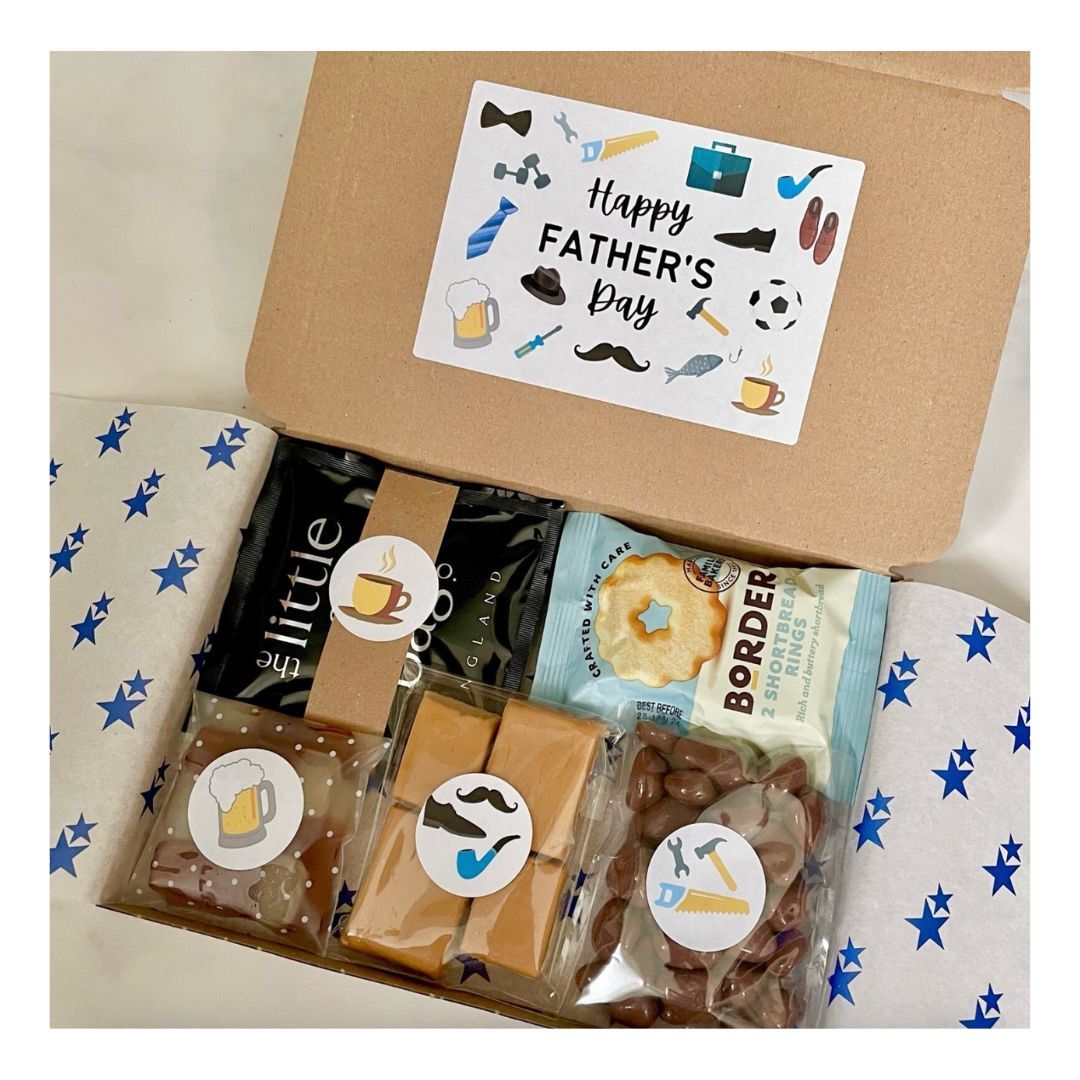
Curating Shared Moments
Instead of spending hours searching for a gadget, consider curating an experience. This could be:
- Tickets to a local brewery tour. A cooking class focused on his favorite cuisine. Booking a "man cave" day with board games and snacks.
These memories become the gift itself—something that cannot be bought in bulk Melbourne and is inherently unique to your relationship. “The best gifts are not things; they are moments.” This idea reframes the entire search process, making it about connection rather than commerce.
The Power of Hyper-Personalization
True uniqueness comes from hyper-personalization—gifts that directly reference an inside joke, a shared memory, or a passion only he possesses. Think less "dad gift" and more "Dad Gift, based on the fact that you once spent three hours arguing about which brand of mustard is superior." These are often handmade or custom-commissioned pieces, requiring effort that bypasses the generic market.
Making Your Selection Count: Beyond the Material Goods
Ultimately, understanding why is finding unique dad gifts so difficult? allows us to pivot our focus from what we buy to how we find it and why we give it. The goal should not be novelty for its own sake, but thoughtfulness that sparks joy.
Remember this: the perfect gift doesn't need a flashy label or an exorbitant price tag; it needs context. A well-curated playlist of songs from his youth, a beautifully framed photograph with a corresponding story written underneath, or even a meticulously planned "no chores day" can communicate more love and attention than any gadget store could offer.
By slowing down the search, embracing the personalized touch, and prioritizing shared time over material possessions, you move past the difficulty of modern gift-giving. You transform the chore into an act of genuine observation—the most thoughtful thing a giver can do is truly see the person they are celebrating. Take that observational lens to your next shopping trip, and watch how quickly the "impossible" becomes wonderfully obvious.